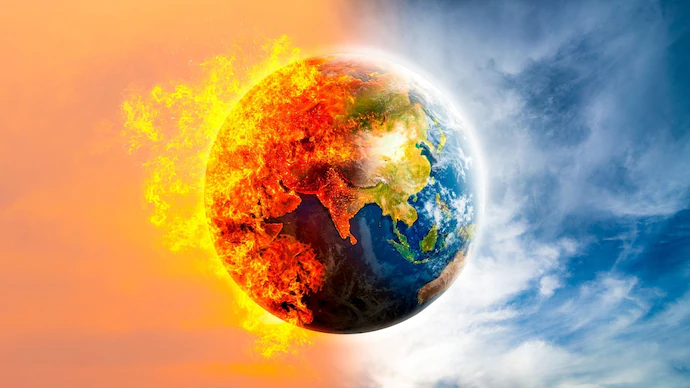
Climate change means a significant, long-term alteration in the average weather of the Earth. Weather changes day to day, but climate is the pattern of weather measured over many years. Scientists have observed that the Earth’s average temperature has risen sharply since the industrial revolution. This warming is known as global warming, and it is the main driver of climate change.
The temperature rise has been linked to the increasing amount of greenhouse gases (GHGs) in the atmosphere. These gases trap heat and create a warming effect similar to a greenhouse. The most common greenhouse gases include:
- Carbon dioxide (CO₂) – released from burning coal, oil, and gas
- Methane (CH₄) – emitted from livestock, agriculture, and waste
- Nitrous oxide (N₂O) – from fertilizers and industrial activities
- Fluorinated gases – from refrigerators and industrial processes
When concentrations of these gases increase, more heat gets trapped, warming the planet beyond natural levels.
Major Causes of Climate Change
1. Burning of Fossil Fuels
Industries, power plants, vehicles, and households rely heavily on coal, oil, and natural gas. When these fuels are burned, they release large amounts of CO₂. This is the number one cause of global warming.
2. Deforestation
Forests absorb carbon dioxide and release oxygen. When trees are cut down for agriculture, construction, or urban development, two things happen:
- The Earth loses an important carbon-absorbing resource.
- The carbon stored in trees is released oxygen into the atmosphere.
Together, this worsens climate change.
3. Industrial and Agricultural Activities
Factories release greenhouse gases through production processes. Agriculture, especially livestock like cows, generates methane—a gas far more powerful than CO₂ at trapping heat.
4. Waste Management Problems
Landfills produce methane when organic waste decomposes without oxygen. Poor waste management contributes significantly to emissions in many countries.
5. Rapid Urbanization
As cities expand, energy use increases, natural land is reduced, and pollution grows. This leads to rising emissions and reduced ability of the environment to absorb CO₂.
Effects of Climate Change
Climate change affects every region of the world. Its impacts are already visible and are becoming more severe each year.
1. Rising Global Temperatures
The last decade has been the warmest in recorded history. Higher temperatures affect agriculture, human health, and water supply.
2. Extreme Weather Events
Climate change leads to more frequent and intense events such as:
- Heatwaves
- Floods
- Droughts
- Hurricanes
- Forest fires
These events cause massive economic loss and displacement of people.
3. Melting Glaciers and Rising Sea Levels
Polar ice caps and mountain glaciers are melting rapidly. As a result:
- Sea levels are rising
- Coastal regions face flooding
- Small island nations risk disappearing
4. Ocean Warming and Acidification
Oceans absorb much of the excess heat and CO₂. Warmer and more acidic oceans harm marine life, including coral reefs, fish, and other species vital to the global food chain.
5. Threats to Biodiversity
Many animals and plants cannot adapt quickly to changing conditions. Species extinction has accelerated, and ecosystems like rainforests and wetlands are under severe pressure.
6. Human Health Risks
Climate change increases the spread of diseases, worsens air quality, and causes heat-related illnesses.
Social and Economic Consequences
Climate change affects economies, societies, and political stability. For example:
- Farmers face crop failure, leading to food insecurity.
- Poor communities suffer the most because they lack resources to adapt.
- Governments spend billions on disaster recovery.
- Climate migration is increasing, causing global humanitarian challenges.
Overall, climate change is not just an environmental issue—it is a global economic and social crisis.
Actions to Slow Down Climate Change
1. Transition to Renewable Energy
Solar, wind, hydro, and geothermal energy produce electricity without greenhouse gases. Shifting away from coal and oil is essential.
2. Protecting and Restoring Forests
Planting trees, preventing illegal logging, and preserving natural ecosystems can absorb millions of tons of CO₂ from the atmosphere.
3. Sustainable Agriculture
Using modern farming techniques, reducing food waste, and controlling methane emissions from livestock can reduce climate impact.
4. Improving Energy Efficiency
Energy-efficient buildings, LED lights, electric vehicles, and smarter transport systems can significantly cut emissions.
5. Government Policies and Global Agreements
Policies like carbon taxes, green subsidies, and international agreements (such as the Paris Agreement) encourage countries to reduce emissions and invest in clean technology.
6. Individual Actions
Every person can contribute by:
- Reducing electricity use
- Using public transport
- Avoiding single-use plastics
- Conserving water
- Supporting eco-friendly companies
- Recycling waste properly
Small actions, when multiplied by millions of people, create major positive change.
Conclusion
Climate change is the biggest issue of our generation. Its impacts are global, powerful, and dangerous—but they are not irreversible. With strong government policies, responsible corporate behavior, and active participation from individuals, the world can reduce greenhouse gas emissions and protect the planet for future generations.
The urgency for action is greater now than ever before. Climate change is not just a problem for scientists or environmentalists—it is a challenge for all of humanity. Acting today can prevent the worst impacts tomorrow and ensure a safer, healthier Earth for everyone.
Pingback: What Is COP30? – Learning Post