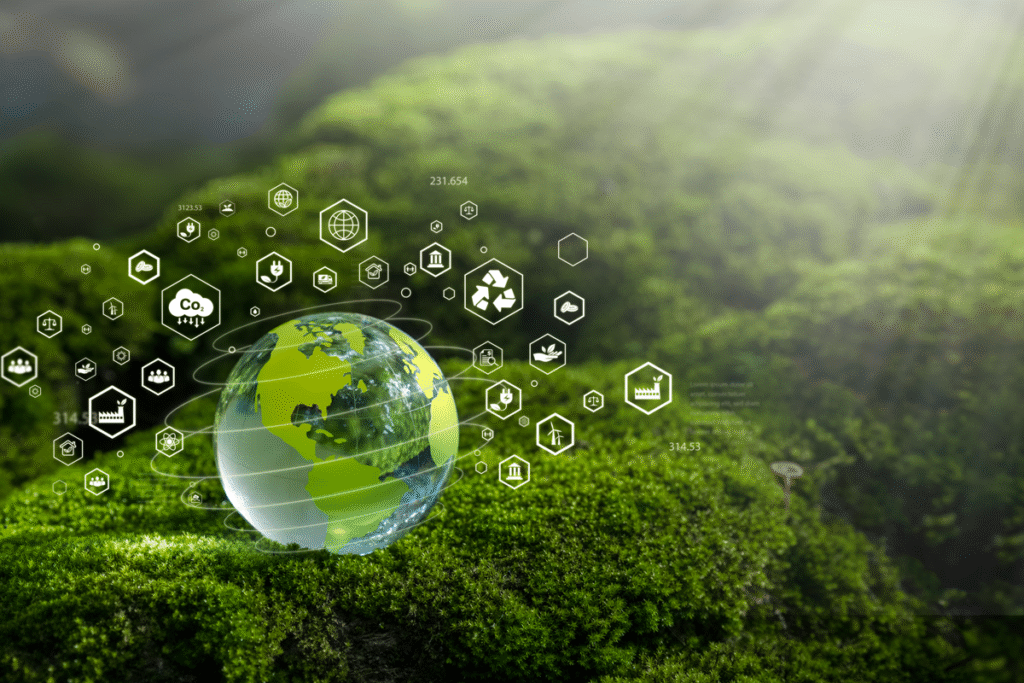
Sustainability is no longer just a trend—it has become a core part of modern business. As climate change and environmental concerns grow, green startups are leading a major transformation in industries around the world. These young companies build their entire business model around eco-friendly innovation, clean technology, and responsible resource use.
What Are Green Startups?
Green startups are businesses that integrate sustainability into their core mission. Unlike traditional companies that may adopt eco-friendly practices later, these ventures are founded with the intention of addressing environmental problems. Their products, technologies, and business models are designed from day one to support a greener planet.
Green startups generally operate in sectors such as:
- Renewable energy (solar, wind, bioenergy)
- Electric vehicles and mobility solutions
- Sustainable agriculture and food-tech
- Waste management and recycling innovation
- Environment-friendly consumer products
- Water conservation and purification technologies
- Carbon capture and storage
- Eco-friendly construction and materials
Their main goal is not just to make profits, but also to create a positive ecological impact.
Why Green Startups Are Rising Globally
1. Increasing Environmental Awareness : Millions of people around the world now understand the dangers of pollution, deforestation, plastic waste, and climate change. This awareness has increased the demand for sustainable products, creating space for eco-conscious startups.
2. Government Policies & Incentives : Governments are offering subsidies, tax benefits, and loan assistance for green technologies, renewable energy, and sustainable innovation. Such support makes it easier for startups to grow and compete.
3. Investor Interest in ESG Startups : Investors are increasingly focused on Environmental, Social, and Governance (ESG) standards. Venture capital funds now allocate significant amounts toward sustainable startups, recognizing them as the future of global business.
4. Technological Innovations : Advancements in AI, biotechnology, and clean energy have created new opportunities for startups to solve environmental challenges in innovative ways. This has lowered costs and increased accessibility.
5. Consumer Demand for Eco-Friendly Products : More consumers—especially Millennials and Gen Z—are willing to switch to green alternatives, even if they cost a bit more. This trend encourages businesses to build sustainable offerings and improve their market appeal.
How Green Startups Are Shaping Modern Business
1. They Encourage Circular Economy Models
The circular economy focuses on reducing waste and reusing materials. Green startups promote:
- Upcycling and recycling of products
- Refillable packaging
- Waste-to-energy solutions
- Sustainable supply chains
This encourages traditional businesses to shift away from wasteful linear models.
2. They Prioritize Renewable Energy
Clean-energy startups are transforming how companies power their operations. Solar panels, wind turbines, and green hydrogen technologies are helping reduce dependence on fossil fuels. As green startups develop cheaper and more efficient energy solutions, traditional companies are adopting renewable sources at a faster rate.
3. They Promote Sustainable Consumer Choices
Green startups create alternatives to harmful everyday products—for example:
- Biodegradable cutlery
- Plastic-free packaging
- Organic clothing
- Eco-friendly cleaning products
These changes drive consumers to make more sustainable purchases, pushing larger companies to adopt similar strategies.
4. They Boost Green Jobs
The growth of green innovation has led to thousands of new job opportunities in fields such as:
- Clean-tech engineering
- Environmental research
- Eco-friendly product design
- Waste management
- Carbon emissions management
This workforce transformation is shaping future careers and skillsets.
5. They Influence Corporate Responsibility
As green startups gain popularity, big corporations feel pressure to adopt sustainable practices. Many companies now release sustainability reports, commit to net-zero goals, and adopt eco-friendly production methods—often inspired by smaller green innovators.
Examples of Successful Green Startups
- Tesla – Leading the global EV revolution
- Beyond Meat – Plant-based meat alternatives
- Ola Electric (India) – Affordable electric mobility
- ReNew Power (India) – Solar and wind energy
- EcoCart – Carbon-offset solutions for e-commerce
These companies prove that sustainability and profitability can go together.
Challenges They Face
Green startups still struggle with high production costs, complex regulations, and slow market adoption in some regions. But growing awareness, better technology, and strong investor support are helping them overcome these issues.
The Future of Sustainable Startups
The future looks extremely promising for green startups. Here’s why:
1. Global Push for Net-Zero Emissions : Countries worldwide have pledged to reduce carbon emissions. This creates tremendous opportunities for green innovators.
2. Smarter and Cheaper Clean Technology : Technologies for solar energy, electric vehicles, and recycling are becoming more affordable, helping startups scale quickly.
3. Rising Generation of Eco-Conscious Consumers : Gen Z and Millennials are driving the green revolution with their purchasing choices.
4. Increased Corporate Collaboration : Big companies are partnering with startups for sustainable solutions, opening new market possibilities.
5. Growth of Green Finance : Investment in sustainable businesses is growing faster than ever before.
In the next decade, many green startups are expected to become industry leaders, shaping entire markets with eco-focused innovation.
Conclusion
Green startups are more than just a trend—they are the future of global business. By combining innovation with environmental responsibility, they are developing solutions that not only benefit the planet but also create economic opportunities. These startups are changing how consumers think, how industries operate, and how companies prepare for the future. With rising awareness, supportive policies, and advanced technologies, the sustainability-driven ecosystem is set to grow even stronger.
For entrepreneurs, this is the perfect moment to step into the world of green innovation. For consumers, supporting eco-friendly brands is a powerful way to contribute to a cleaner, healthier planet. And for established businesses, adopting sustainable practices is no longer optional—it’s essential for long-term success.
Green startups are shaping the next generation of business, proving that profitability and sustainability can work together. This movement is not just reshaping industries—it is redefining the future of our planet.