The recent Afghanistan-Pakistan peace talks held in Istanbul have ended without any success, highlighting the deep distrust and tensions between the two neighbours. The Taliban government accused Pakistan of being insincere and trying to shift the blame for its internal security problems onto Afghanistan.
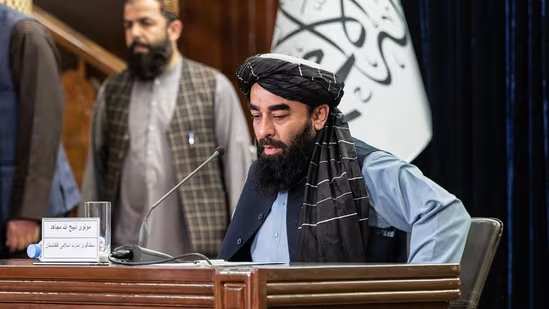
In an official statement on November 8, Taliban spokesperson Zabihullah Mujahid thanked Turkey and Qatar for hosting and mediating the talks. He said that the Afghan delegation joined the discussions on November 6 and 7 with full authority and genuine intentions to reach a constructive outcome. However, Pakistan once again acted irresponsibly and uncooperatively, showing no real willingness to solve the issues. According to the Taliban, Pakistan wanted Afghanistan to take responsibility for its internal security while avoiding its own duties.
The Taliban reaffirmed that Afghanistan will not allow its territory to be used against any country, and equally, it will not accept foreign interference in its internal matters. The statement added that defending Afghanistan’s sovereignty and borders is both a religious and national obligation, and any aggression will be strongly resisted.
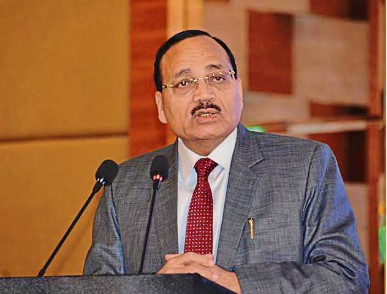
Pakistan’s Defence Minister Khawaja Asif confirmed that the third round of talks ended without results, and there are no plans for another meeting. Afghan Minister Noorullah Noori warned Pakistan not to test Afghan patience, stating that if a war breaks out, both young and old Afghans will defend their country.
Mujahid also said that the conflict between Pakistan and the TTP has existed since 2002, long before the Taliban took power, and blamed the Pakistani military for disrupting peace efforts. Instead of easing tensions, the Istanbul talks have increased mistrust and hostility, with Afghanistan fearing possible Pakistani drone attacks near the border.