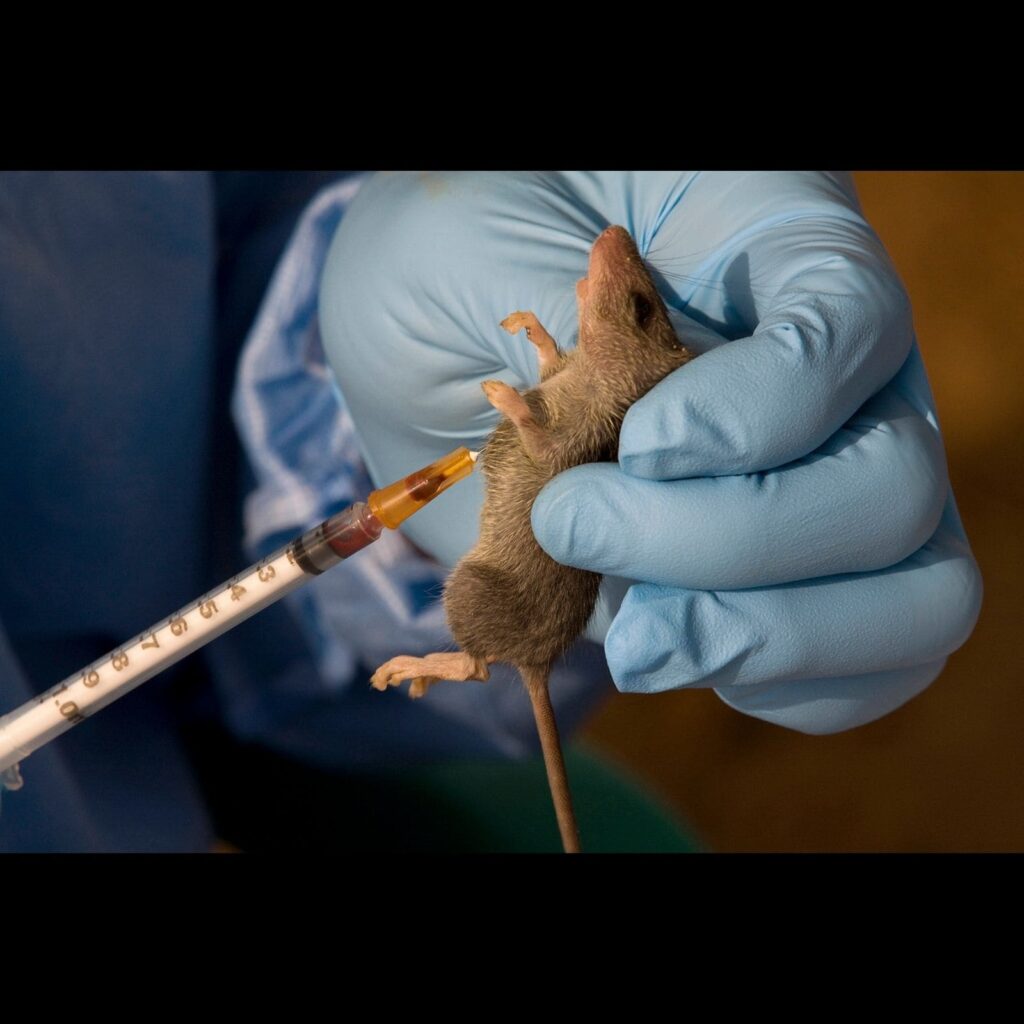
Overview of Lassa Fever
Lassa fever, also known as Lassa hemorrhagic fever, is a viral illness caused by the Lassa virus belonging to the Arenaviridae family. It is common in West Africa, especially in Nigeria, Liberia, Sierra Leone, Guinea, and Ghana, with about 300,000–500,000 infections and 5,000 deaths annually.
Transmission
The disease primarily spreads from rodents (Mastomys natalensis), also known as the multimammate mouse, through urine or feces contamination of food or household items.
Human-to-human transmission occurs via direct contact with the blood, urine, or body fluids of infected individuals. Healthcare workers are particularly at risk. The virus may remain in urine for 3–9 weeks and in semen for up to 3 months after infection.
Symptoms
Symptoms appear 7–21 days after exposure.
- Mild cases: Fever, weakness, tiredness, and headache.
- Severe cases (20%): Bleeding gums, chest pain, vomiting, low blood pressure, and breathing problems.
- Complications: Hearing loss (in 25% of survivors), and high fatality rates among pregnant women (up to 95% miscarriage rate).
Death usually occurs within 14 days of onset in severe cases.
Diagnosis
Diagnosing Lassa fever is difficult because its symptoms resemble malaria, typhoid, or Ebola.
Diagnosis can be confirmed through laboratory tests such as:
- PCR (detects viral RNA)
- ELISA antigen and antibody tests
- Cell culture and plaque assays
In many parts of Africa, diagnosis is limited due to lack of testing facilities.
Treatment
There is no approved vaccine for Lassa fever.
Treatment focuses on:
- Managing dehydration and symptoms
- Using the antiviral drug Ribavirin, though its effectiveness remains uncertain
Prevention
Key preventive measures include:
- Avoiding contact with rodents and their excreta
- Storing food in sealed containers
- Improving sanitation and waste management
- Isolating infected patients to prevent spread
- Keeping cats to control rodent populations