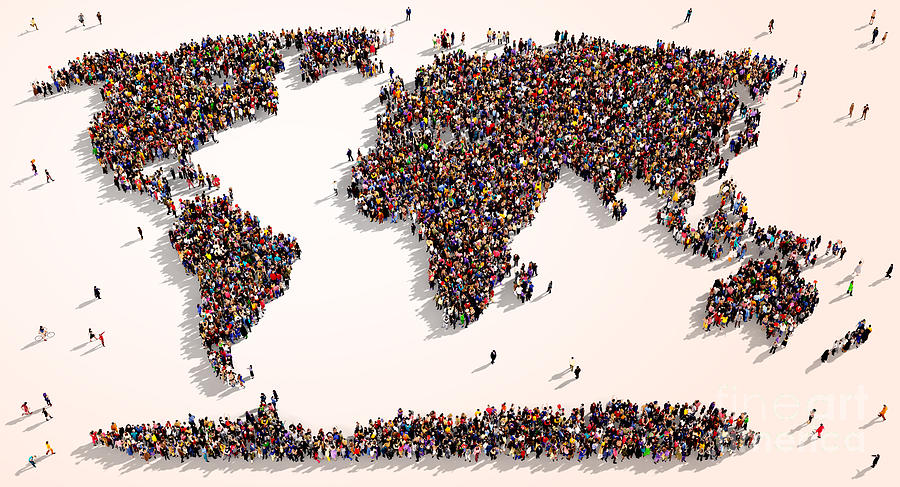
Population is one of the most important topics in the world today. It refers to the number of people living in a particular area—whether it is a city, state, country, or the entire planet. Understanding population trends helps governments, businesses, and societies plan for the future. As the global population continues to grow rapidly, it brings both opportunities and challenges. This article explains the meaning of population, its growth, its impact on society, and the steps needed to create a sustainable future—all in simple and easy language.
What Is Population?
Population is the total count of people living in a specific region at a given time. It helps determine how many resources are required for survival, such as food, water, housing, schools, hospitals, and jobs. Population studies show how the number of people changes over time due to births, deaths, and migration.
Every country tracks its population to understand its needs and plan development projects. For example, a country with a growing population needs more schools, while a country with an aging population needs better healthcare and social support.
Global Population Growth
The world’s population has increased rapidly in the past century. In 1900, the global population was just 1.6 billion. Today, it is more than 8 billion. Such fast growth is the result of improvements in medicine, food production, sanitation, and technology.
Many developing countries, such as India, Pakistan, and Nigeria, experience high population growth. On the other hand, countries like Japan, Italy, and South Korea face low or negative population growth, meaning more older people and fewer young people. This creates a different set of challenges.
Studying these changes helps governments understand whether the population is too high, too low, or balanced.
Factors That Influence Population Growth
1. Birth Rate
Birth rate refers to the number of babies born per 1,000 people in a year. A high birth rate increases population size. Developing countries generally have higher birth rates due to cultural, social, and economic factors.
2. Death Rate
The death rate shows how many people, out of every 1,000, die in a given year. When the death rate decreases due to better healthcare, population increases.
3. Migration
Migration is when people move from one location to another to live, work, or settle. If people move out (emigration), the population decreases.
4. Life Expectancy
Life expectancy is the average number of years a person is likely to live.. Higher life expectancy means people live longer, and the population grows.
5. Government Policies
Some countries have laws that encourage or discourage having children. For example, many European countries offer financial benefits to parents to increase birth rates, while some Asian countries have introduced population control measures.
Advantages of Population Growth
Population growth is not always negative. When managed properly, it can bring several benefits:
1. Larger Workforce
A bigger population means more working individuals. This can help boost the economy, develop industries, and create more opportunities.
2. Innovation and Creativity
More people often mean more ideas. Countries with large populations, like India and China, have produced great innovations by using human talent effectively.
3. Bigger Consumer Market
Businesses grow faster in countries with large populations because there are more customers to buy goods and services.
4. Cultural Diversity
Population growth often leads to a mix of cultures, languages, and traditions. This enhances creativity, tourism, and social development.
Challenges of Rapid Population Growth
While population growth can be beneficial, excessive and uncontrolled growth leads to serious problems, especially in developing countries.
1. Pressure on Natural Resources
More people require more food, water, electricity, and land. This increases the pressure on natural resources, leading to deforestation, water shortages, and soil degradation.
2. Unemployment
A large population means more people competing for limited job opportunities. This leads to unemployment and poverty.
3. Pollution and Environmental Damage
With more people, there is more waste generation, more vehicles, and more industries, resulting in air pollution, water pollution, and climate change.
4. Shortage of Housing
Overpopulation leads to overcrowded cities where housing becomes expensive and slums start to grow. This also affects sanitation and public health.
5. Poor Healthcare and Education
When the population grows too fast, governments struggle to provide enough hospitals, clinics, schools, and teachers. As a result, people suffer from poor healthcare and lower education quality.
6. Rise in Poverty
High population growth often leads to limited resources, lower wages, and poor living conditions, pushing many families into poverty.
Population Explosion
A population explosion happens when the population grows at an extremely fast rate, beyond the capacity of available resources. Many developing countries face this issue due to high birth rates, low death rates, and lack of awareness about family planning.
Population explosion causes:
- Traffic congestion
- Scarcity of clean drinking water
- Increased crime rates
- Pressure on transportation
- Food shortages
- High inflation
- Lower quality of life
This is why population control and responsible parenting are essential for sustainable development.
Solutions to Manage Population Growth
1. Spreading Awareness
Government and NGOs must educate people about the benefits of smaller, well-planned families. Awareness helps people understand the importance of responsible parenting.
2. Quality Education
Educated individuals, especially women, tend to delay marriage, have fewer children, and focus more on career and family planning.
3. Improved Healthcare Services
Better healthcare reduces child mortality, which naturally encourages families to have fewer children.
4. Empowering Women
When women get equal opportunities in education and employment, they make informed decisions about family size.
5. Family Planning Services
Access to contraception, counselling, and reproductive health services helps couples plan when to have children.
6. Government Initiatives
Governments can introduce policies that promote balanced population growth, such as tax benefits, social welfare programs, and awareness campaigns.
7. Sustainable Development
Solutions like renewable energy, efficient agriculture, green infrastructure, and smart urban planning help support a growing population without harming the environment.
Future of Global Population
Experts predict that the global population will reach 9.7 billion by 2050. Some countries will face overpopulation, while others will struggle with declining populations. The key is balance.
Countries must adapt to:
- Changing demographics
- Rising urbanization
- Increasing pressure on resources
- Climate change challenges
The world needs innovative solutions to ensure that population growth does not harm future generations.
Conclusion
Population plays a crucial role in shaping the world’s economic, social, and environmental future. A growing population can bring economic benefits, creativity, and cultural richness. However, rapid and unplanned population growth can create major challenges like resource shortages, unemployment, pollution, and poverty.
To ensure a sustainable future, countries must focus on education, awareness, women empowerment, healthcare improvements, and smart development strategies. A balanced population is the key to a stable, healthy, and prosperous world.