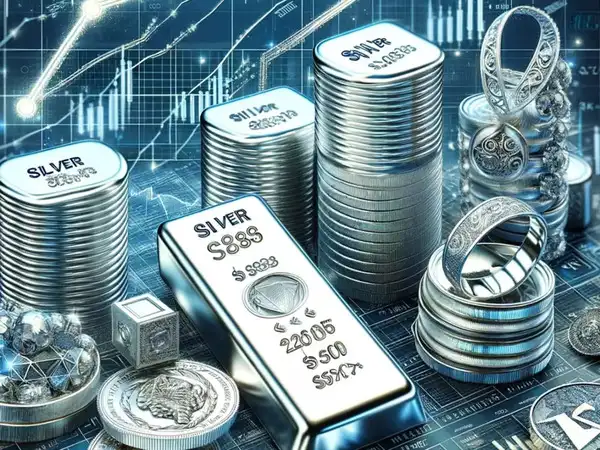
Silver’s explosive price movement in 2025 captured global attention, with the metal soaring to new record highs. A combination of investor buying, booming industrial use, and geopolitical uncertainty pushed an already tight market into overdrive. The rally sparked an important question across investment circles: Is silver still undervalued — and could an even bigger surge be coming between 2026 and 2030? This analysis breaks down the fundamentals behind silver’s bullish outlook, the major forces driving the market, expert projections, and the risks investors should be aware of.
According to many leading market analysts, the answer is yes — silver appears structurally undervalued, even after its strong run in 2025. The reasoning is clear:
- Surging industrial demand — particularly from solar energy, electric vehicles, and clean-tech manufacturing
- Restricted mine supply — since silver is primarily produced as a secondary output from other metals, limiting supply growth
- Favorable macroeconomics — including a weaker U.S. dollar and lower real interest rates
Together, these factors support a potential multi-year bullish cycle continuing into 2026–2030. However, experts also caution that silver’s path will not be linear — price volatility is likely, and long-term gains are not guaranteed.
Why experts believe silver can go higher
1. Industrial demand for silver is increasing
Silver is not just a precious metal — it is a critical industrial material. Unlike gold, which is used mainly for jewellery and investment, silver plays a major role in modern technology. It is widely used in:
- Solar panels (photovoltaics)
- 5G and high-speed electronics
- LED lighting
- Electric vehicles and batteries
- Other clean-energy technologies
As the world shifts towards renewable energy and digital infrastructure, the need for silver continues to grow. Even a small rise in the amount of silver required per solar panel can create a large jump in total global demand. Industry reports show that industrial consumption of silver is increasing steadily and is expected to remain one of the biggest drivers of the market.
2. Silver supply is limited and difficult to increase
One major challenge in the silver market is supply. Most silver is not mined directly — it is produced as a by-product of mining for metals such as copper, lead, and zinc. Because of this:
- Silver supply does not increase quickly, even when prices rise
- Mine production growth is slow because new mining projects take many years to develop
- The global market has recently experienced a supply deficit, meaning demand is higher than available supply
This tight supply situation supports the possibility of higher prices, especially if demand continues to rise.
3. Strong investor interest is boosting the silver market
In addition to industrial buyers, investors are also returning to silver in large numbers. Many individuals and institutions are buying:
- Physical silver (coins and bars)
- Silver ETFs and other investment products
Investors see silver as both a hedge against economic risk and a speculative opportunity. In 2025, interest surged due to growing confidence in silver’s long-term potential. This rising investment demand has helped push prices and inventories higher.
4. Global economic factors are creating favorable conditions
Silver prices are also influenced by big economic trends. Precious metals usually perform well when:
- Real interest rates fall
- Inflation expectations rise
- The US dollar weakens
- Central banks begin rate-cut cycles
If any of these conditions continue over the next few years, silver could benefit sharply. Analysts believe that these macroeconomic forces—combined with strong industrial demand—create a supportive environment for higher silver prices going forward.
What analysts and models are forecasting (2026–2030)
Forecasts for silver vary widely — and intentionally so — given the number of variables influencing the market. However, a broad consensus from several research houses in late 2025 places silver’s near-term price target (2026) in the low-to-mid $50 per ounce range, with more optimistic projections reaching into the $60s per ounce.
Outlooks for 2028–2030 are even more dependent on macro and industrial trends. The most bullish scenarios assume rapid growth in solar, EVs and advanced electronics, combined with continued constraints in mine output. Major banks with aggressive price targets highlight three key catalysts: persistent structural supply deficits, rising ETF investment flows, and a weaker U.S. dollar.
Risks and Counterarguments — The Other Side of the Trade
Even the strongest bullish case has weak points worth examining, and silver’s investment story is no exception. Investors who want balanced decision-making should also consider the key risks that could challenge the “surging silver” narrative:
• Cyclical demand slowdowns
A decline in global manufacturing or weaker-than-expected growth in solar installations — whether due to policy changes, supply-chain disruptions, or slower economic activity — could soften industrial demand for silver.
• Monetary policy shocks
If central banks resume aggressive rate hikes or if the U.S. dollar strengthens sharply, precious metals could come under pressure, as tighter financial conditions typically reduce investor interest in non-yielding assets.
• Technological substitution and efficiency
Innovation may reduce the silver required per unit of industrial output. For example, ongoing research in photovoltaics aims to minimize silver paste usage in solar cells. If successful, this could cap future demand growth.
• Sentiment-driven volatility
The silver market is known for sharp speculative swings. When bullish positioning becomes crowded, even small sentiment reversals can trigger rapid, and sometimes steep, price corrections.
• Future supply response
Although silver supply is constrained in the short term, higher prices could incentivize new primary silver mines, by-product expansions, or increased recycling. Any meaningful rise in supply could limit long-term price upside.
How to think about investing in silver
If you decide silver belongs in your portfolio, here are the main ways to gain exposure — each with pros and cons:
- Physical silver (coins & bars) — direct, no counterparty risk, but storage and liquidity considerations. Good for long-term core holdings.
- Silver ETFs / trusts — Convenient and highly liquid, offering exposure to spot or futures prices, though subject to management fees and underlying counterparty/storage structures.
- Silver mining stocks — leveraged exposure (miners often move more than the metal), but company-specific risks apply (management, costs, jurisdiction).
- Silver streaming & royalty companies — lower operational risk and often less volatile than pure miners.
- Futures and options — for traders seeking leverage and short-term plays; high risk and requires expertise.
- Silver-backed digital assets — emerging options that promise physical backing but check custody and audits carefully.
Diversify your approach and match the instrument to your time horizon and risk tolerance. For long-term structural bets, a mix of physical + ETFs or conservative miners is common; for tactical trades, options/futures may be appropriate but risky.
Timing and Allocation — A Prudent Investment Framework
Even when the long-term outlook is compelling, silver should not be approached with an “all-in” mindset. A disciplined allocation strategy helps manage volatility and protect capital:
- Staggered entry (dollar-cost averaging): Gradually increasing exposure over time reduces the risk of entering the market at an unfavourable price point.
- Position sizing: Keep silver or any single commodity to a measured percentage of your total investable portfolio — traditionally 2–5% for precious metals, with higher allocations reserved only for strong conviction or high-risk tolerance.
- Rebalancing discipline: Define in advance when to rebalance. This allows you to lock in profits if prices overshoot or add to your position during meaningful pullbacks, without emotional decision-making.
- Risk hedging for mining stocks: If investing through mining companies rather than the metal itself, consider strategies to hedge operational exposures such as currency fluctuations, energy costs, and geopolitical risks.
Conclusion
Silver’s remarkable rally in 2025 was more than a speculative spike — it reflected a deep shift in the metal’s role in the global economy. The forces driving the market today are structural rather than temporary: accelerating industrial demand from solar energy, electric vehicles and advanced electronics; limited mine supply that cannot scale quickly; rising investor participation; and macroeconomic conditions that historically favour precious metals. Together, these dynamics support a compelling case that silver could remain in a multi-year bullish cycle between 2026 and 2030.
However, the path forward will not be smooth. Silver is known for volatility, and factors such as shifting monetary policy, weakening manufacturing cycles, technological substitution, and new supply developments could influence prices in the years ahead. Investors who recognise both the opportunity and the risks are best positioned to benefit.
For long-term portfolios, a balanced and disciplined strategy — diversified exposure, staggered entry, thoughtful position sizing and periodic rebalancing — allows participation in silver’s upside while safeguarding capital from inevitable market swings. Whether used as a hedge, a growth asset linked to clean energy, or a long-term store of value, silver remains one of the most important commodities to watch in the coming decade.