The Sudan Civil War began because of a power struggle between the Sudanese Armed Forces (SAF) and the Rapid Support Forces (RSF). The RSF is a large and powerful paramilitary group that was once allied with the Sudanese Army. However, their relationship broke down when both sides began fighting over control of the country and the future of Sudan’s political transition. The main disagreement started when the two forces could not agree on how to merge the RSF into the regular army and who would have the ultimate authority after the 2021 military coup.
The deeper causes of the war go back many years. Sudan has faced long-term political instability, corruption, and weak government institutions. Different regions, such as Darfur, Kordofan, and Blue Nile, have suffered from neglect and ethnic tensions for decades. The country’s economic problems — including poverty, unemployment, and high inflation — made the situation even worse. These issues created anger and mistrust among various groups, making it easier for the conflict to spread once fighting started.
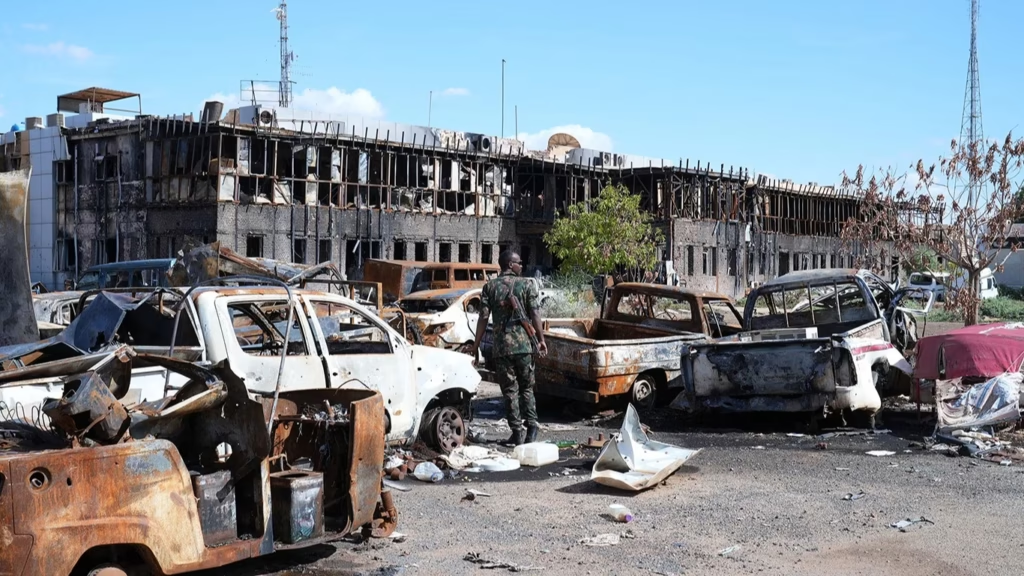
The civil war officially began on 15 April 2023, when violent clashes broke out in Khartoum, the capital, and quickly spread to other major regions. Since then, both the Sudanese Army and the RSF have been fighting for power and control, leading to massive destruction, loss of life, and a worsening humanitarian crisis across the nation.
From 2023 to 2025, the Sudan Civil War has gone through several major phases. The conflict first began in April 2023, when fighting broke out in Khartoum between the Sudanese Armed Forces (SAF) and the Rapid Support Forces (RSF). Soon after, the RSF captured many parts of Khartoum and expanded its control to other regions. In 2024, the war spread to several states, including Darfur, Blue Nile, Sennar, and Gezira. The fighting became long and violent, with both sides trying to gain control over different areas. During this time, the humanitarian situation became much worse — thousands of people were killed, and millions were displaced from their homes. The RSF became stronger in western Sudan, especially in Darfur, while the Sudanese Army tried to take control of central and eastern regions.
By early 2025, the SAF managed to capture some key areas, such as parts of Sennar State, showing that the war was still very active. In February 2025, the RSF carried out deadly attacks in Al-Kadaris and Al-Khelwat in White Nile State, killing hundreds of civilians. Even after two years of fighting, there was still no peace agreement between the two sides. The country’s situation became even more tragic when, in April 2025, the RSF announced the formation of a separate “Government of Peace and Unity” in the regions under its control, indicating that Sudan was splitting into rival parts.
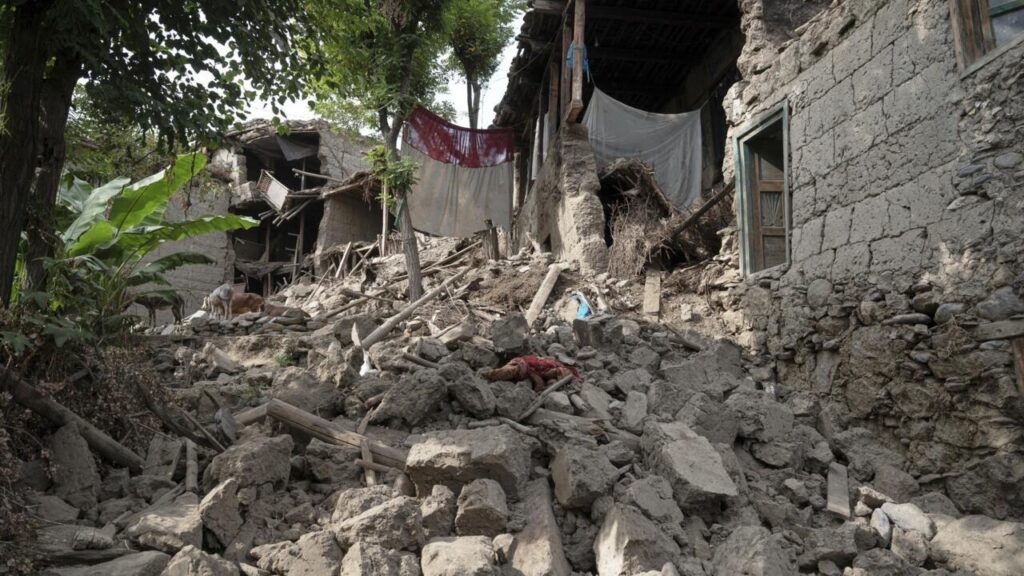
The war caused a massive humanitarian crisis. By 2025, millions of people had been forced to leave their homes, with over 3.8 million refugees fleeing to neighboring countries. More than 25 million Sudanese people were suffering from hunger and food shortages, and some areas faced famine. The country’s hospitals, schools, and water systems were destroyed, leading to the spread of diseases like cholera, malaria, and dengue. Both the SAF and RSF were accused of attacking civilians and committing war crimes, including ethnic violence and mass killings. Meanwhile, Sudan’s economy collapsed — prices rose sharply, jobs disappeared, and most families struggled to survive. By the end of 2025, Sudan remained trapped in violence and suffering, with no clear end to the war in sight.
In April 2025, the United Nations warned that Sudan was facing the world’s worst humanitarian crisis. Nearly 25 million people were suffering from extreme hunger, over 12 million were displaced, and at least 20,000 had died. The crisis was made worse by high temperatures, drought, and continued fighting, which left civilians trapped in their homes without food, water, or safety. Sudan’s healthcare system collapsed, leading to widespread diseases like cholera and malaria, while millions were left without medical help.
Since the war began, aid supplies were looted, and humanitarian workers were attacked, with more than 50 warehouses and 200 vehicles stolen. Schools also shut down — the number of children out of school rose from 7 million to 19 million. The country’s economy suffered badly after Western Union closed operations, cutting off money from Sudanese workers abroad.
Foreign weapons from China, Russia, Turkey, and the UAE continued to reach both sides, worsening the war and violating the Darfur arms ban. Most hospitals were destroyed or closed, and by late 2025, 80% of hospitals in conflict zones were no longer working. Over 100,000 cholera cases and 2,500 deaths were reported, while malaria and famine spread rapidly due to lack of clean water, sanitation, and food. Sudan’s war has now become not only a battle for power but also a massive humanitarian and health disaster.
The civil war in Sudan is one of the most severe crises of our time: a fight for power between the national army (SAF) and a dominant paramilitary (RSF), erupting in April 2023 and still raging in 2025. It combines major military operations, regional fragmentation, massive humanitarian suffering, and weak institutions. Without swift and bold action, it risks permanently fracturing the country and destabilising the wider region.